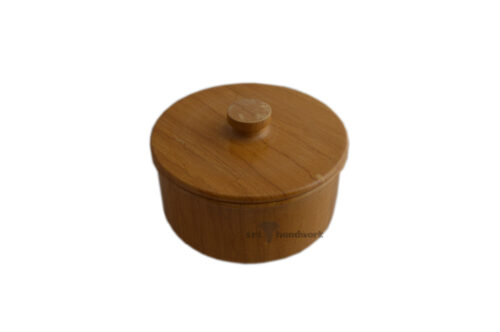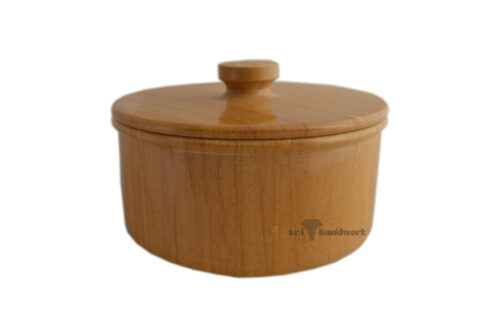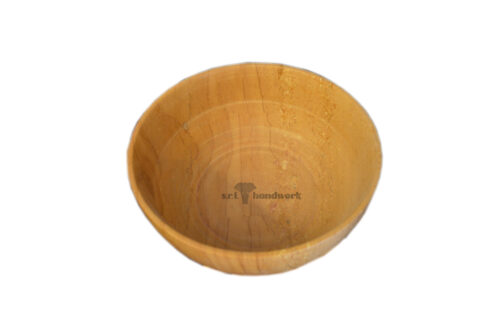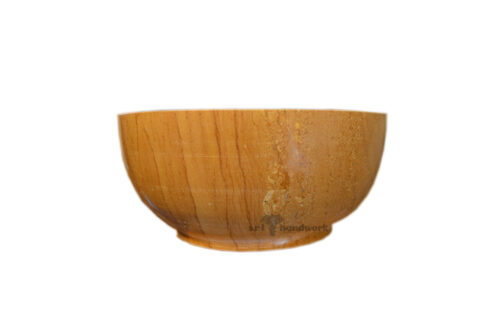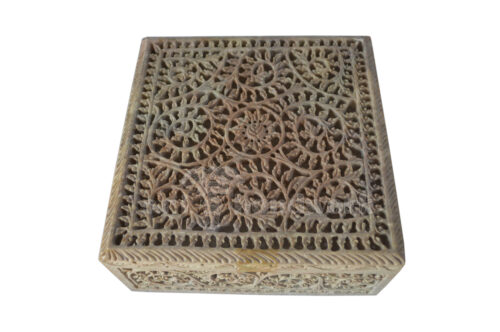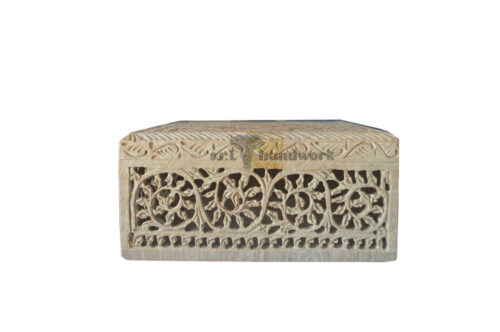
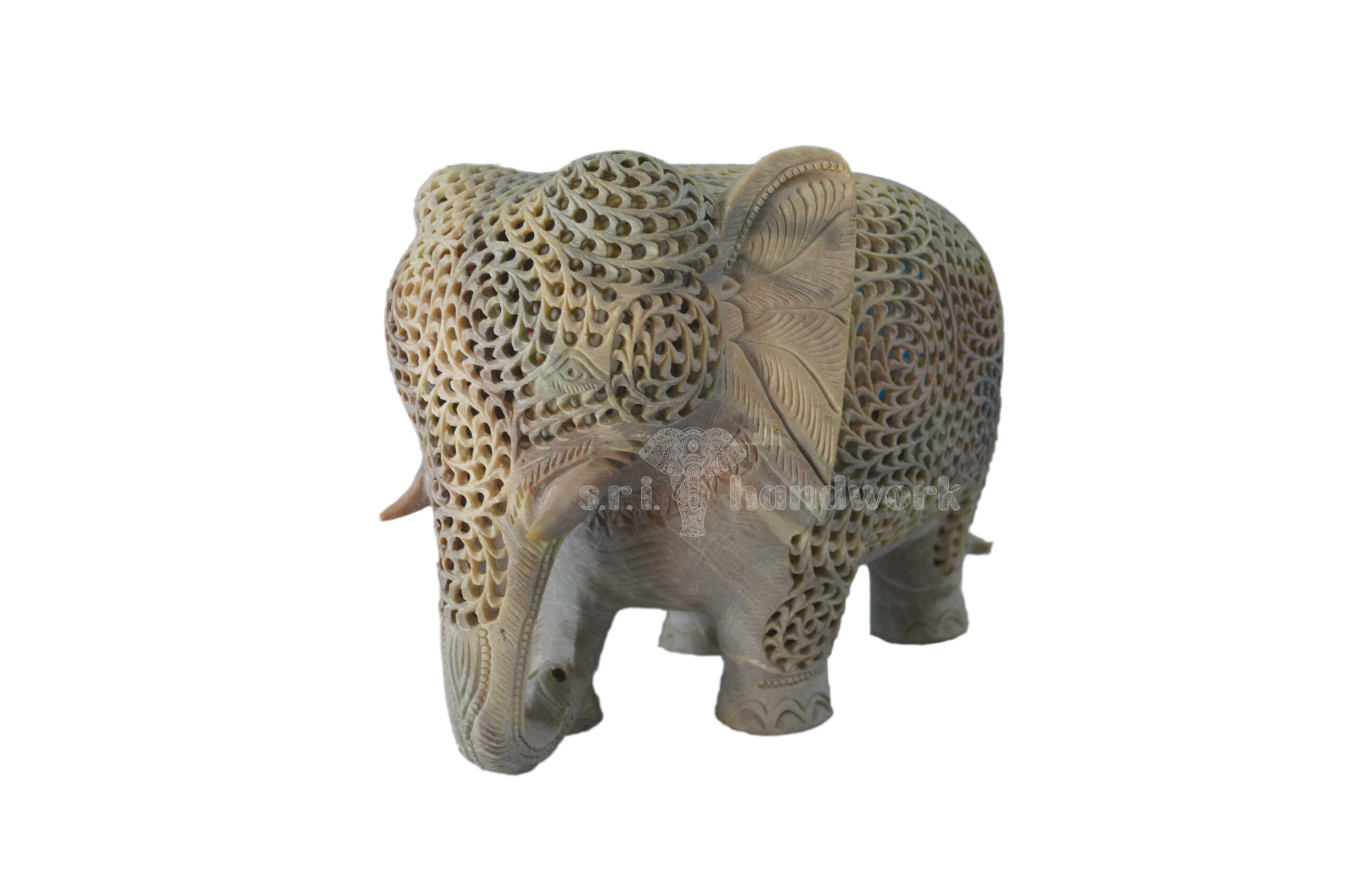
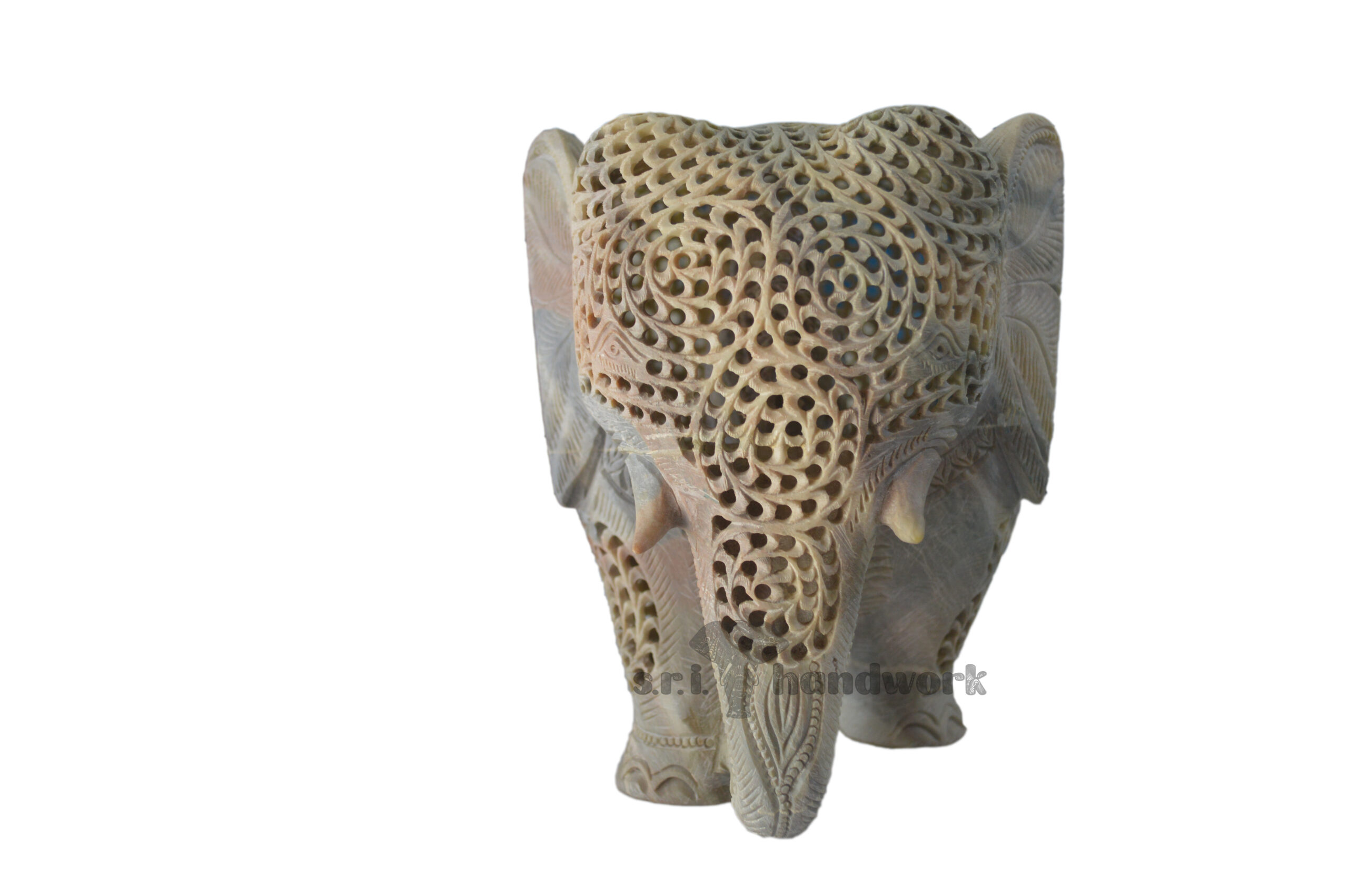
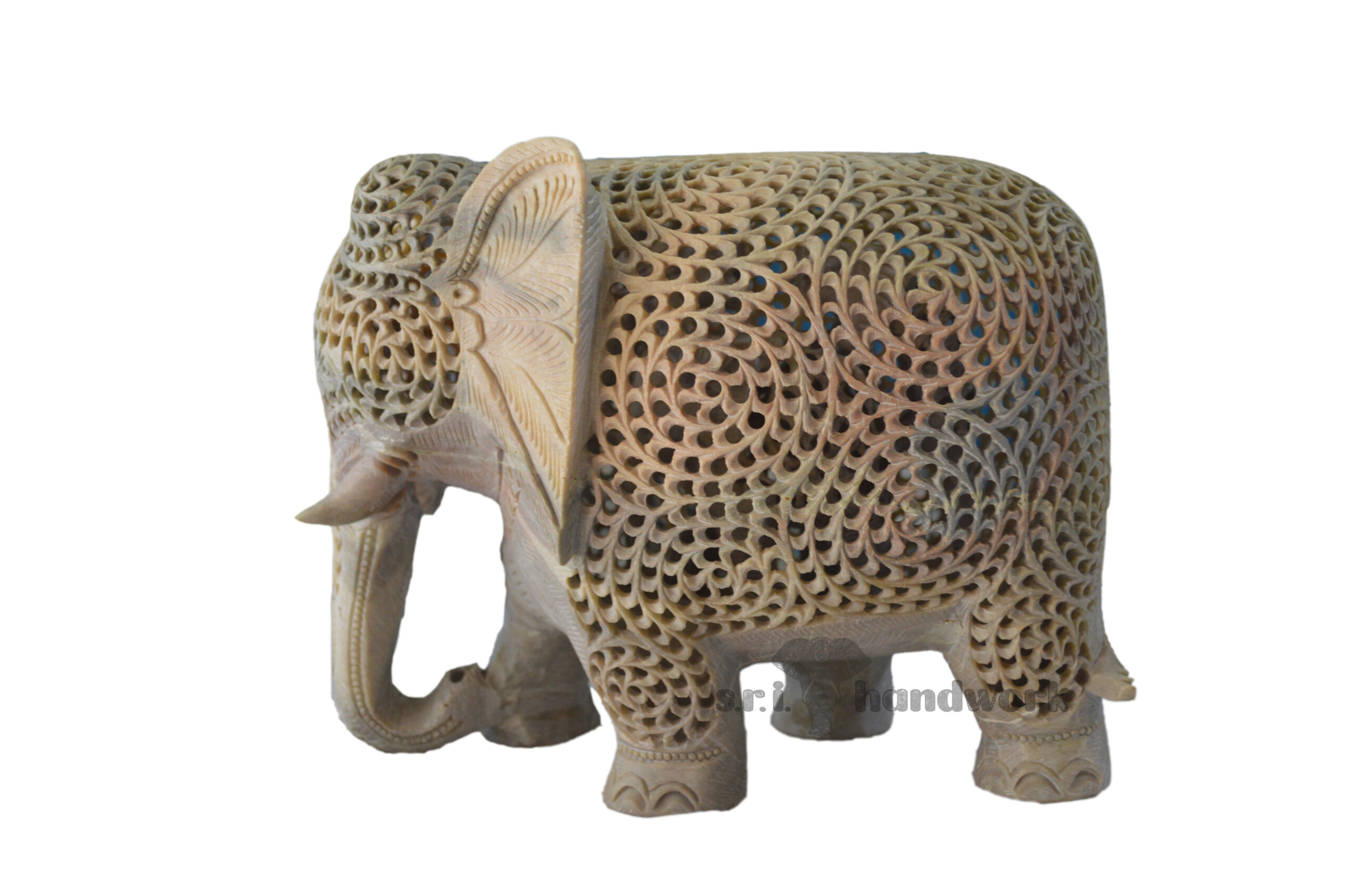
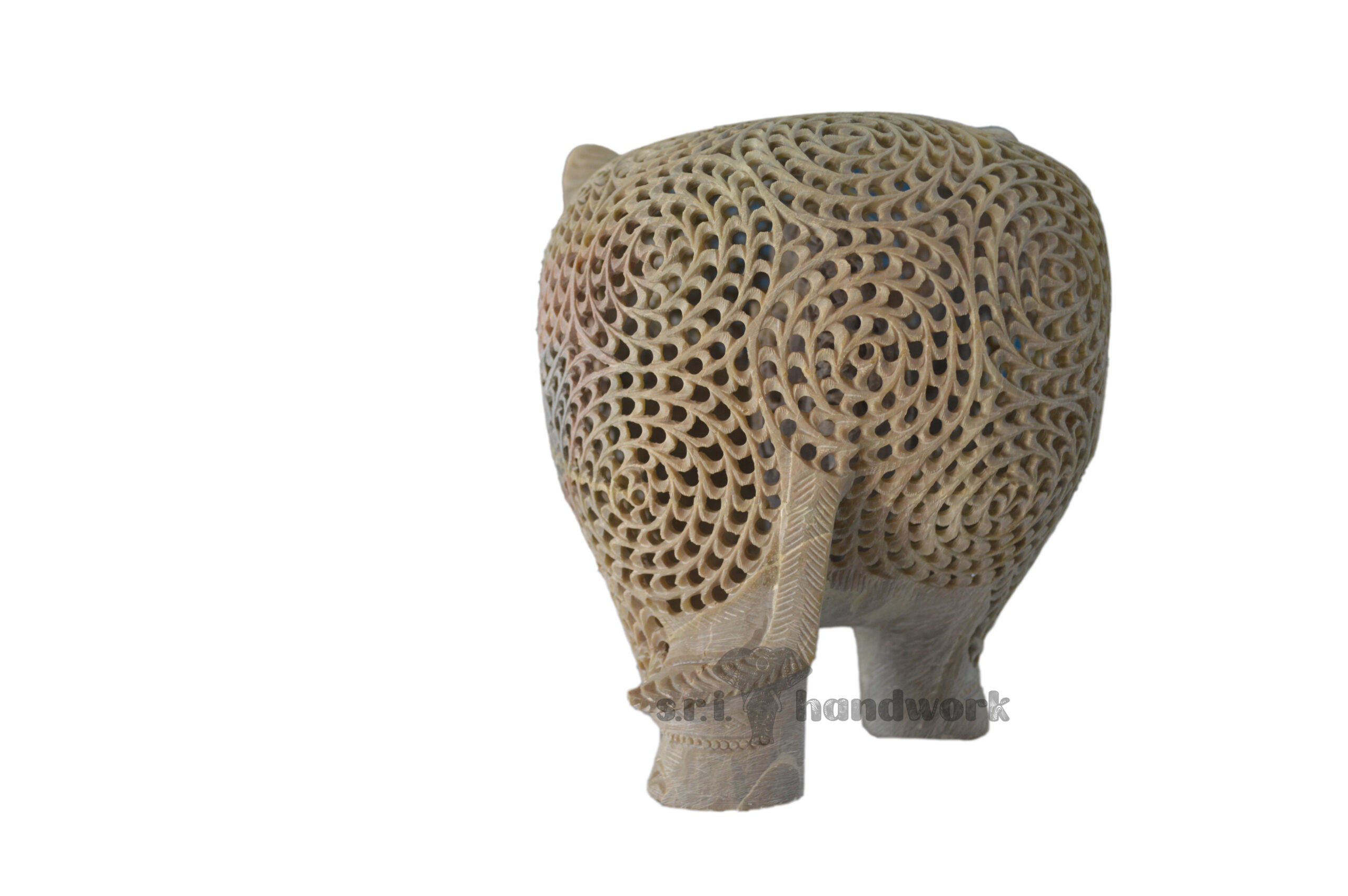
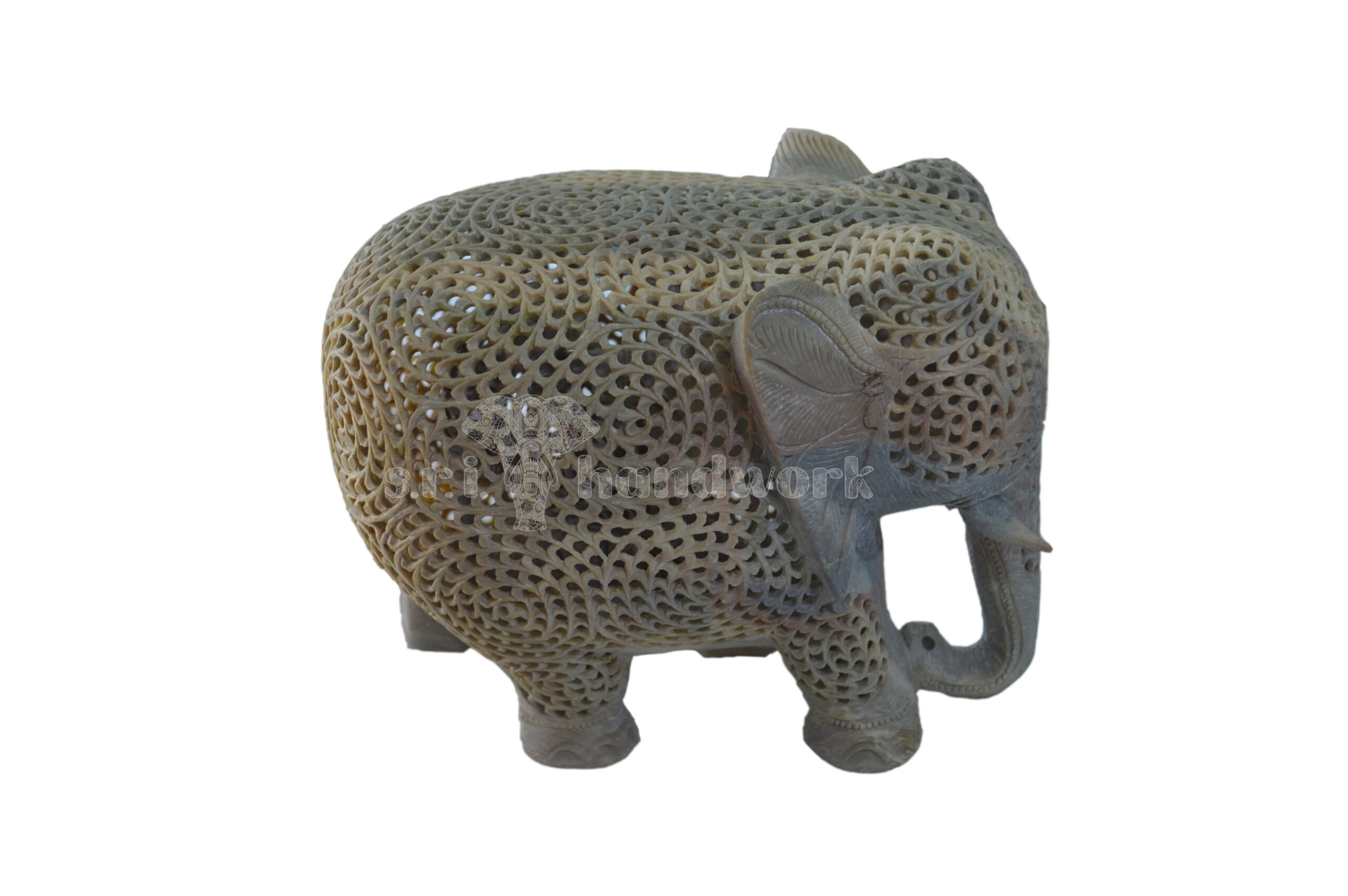
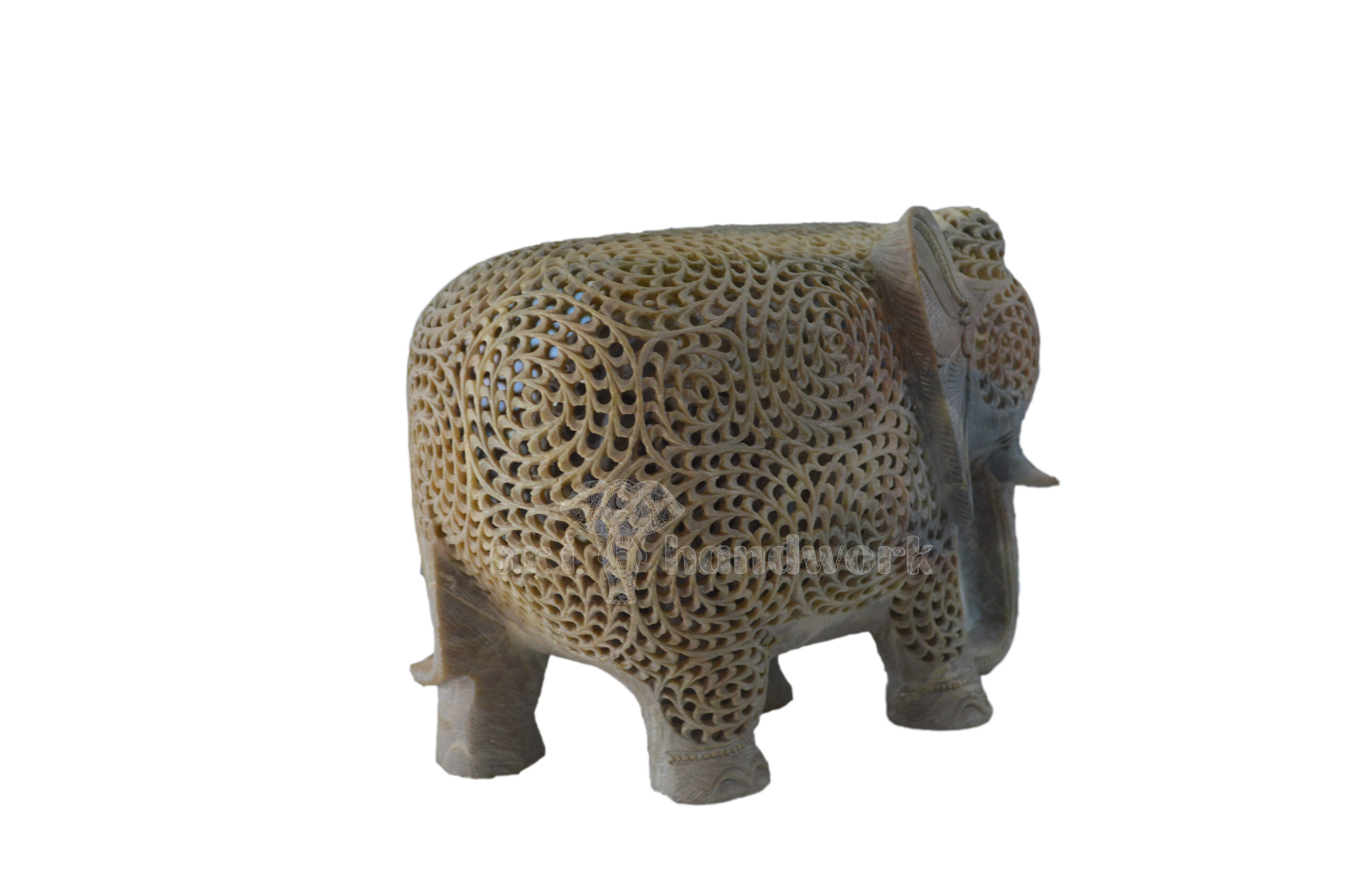
The makrana marble carving was introduced by the Mughals in the form of decorative art in Agra during the medieval era, and ever since then it has been famous for its stone crafts. But the real skill of the craftsmen of Agra lies in the carving of intricate jaali or fretted stone lattices. Jali is a fretted stone work which combines the elements of geometrical motifs along with the Persian style. This kind of stone work was based on the theme of paradise effect, which the Mughals adopted to bring out the beauty of both Persian and Indian arts using different types of geometrical shapes. Although this kind of stone jali work was meant for architectural purposes, but a small group of craftsmen of Agra have inculcated this technique of fretted stone work to make articles such as ornamental boxes, incense box and lamp shades of varying grades. Agra is also home to products made from alabaster, like table lamp shades, containers, fret boxes, egg shaped decorative objects and various other nesting animals-elephants, owls and tortoise.
Elephant
Original price was: ₹16,656.00.₹13,880.00Current price is: ₹13,880.00.
Description
Marble is one of the most cherished crafting stone with innumerable properties which can never be paralleled by any other stone craft. Besides being an exquisite natural stone, it is the most favored stone by sculptors, who find its surface relatively soft and easy to work when first quarried, to the time it becomes hard and dense when aged. The white marble from makrana, possess a finer grain when compared to its other alternative craft stone, making the surface ideal for rendering minute details for various decorative works. Sculptures made from this fined grained marble becomes extremely hard and dense with age. Such sculptures can even withstand high temperatures because of their relative isotropy and homogeneity at its molecular level, thus by making its surface resistant to shattering.
White marble which came from the famous makrana quarries was extensively used by the Mughals for the construction of various monuments. It became a stone of choice for Mughals emperors, especially Shah-Jahan, who ordered the construction of Taj mahal using the same white marble from Rajasthan. It was during this period when the marble crafts reached its peak in medieval India. Though according to many historians, Akbar was the father of Mughal architecture who introduced the art of inlaying red sandstone into a matrix of white marble, but it was only during the reign of Shah Jahan that the white marble of makrana had replaced the red sand stone of the Vindhyans.
Agra in Uttar Pradesh, is famous for its two forms of stone cutter’s craft, one being the Jali work or stone travery which is carved out from a single piece of marble and other being the Parchin kari, the art of inlaying the precious and semi-precious stones in marble. The Jali or Jaali as called in Hindi, is a fine filigree of marble, carved to represent fretted surface of stone lattices with delicate and intricate floral and geometrical patterns. In these kind of stone traceries two distinct symmetrical designs tend to run into each other in the same screen to eventually blend together to form an endless network of geometrical combination. These designs were often based on the replication and repetition of a single unit or a design in a sequence of steps to develop the screen in the form of a symmetrical pattern.
This decorative art of stone tracery was introduced at Agra on a large scale by the Mughal rulers during medieval period. The Jali was not only used for decoration but it also served the purpose of free ventilation which is very necessary for the harsh climatic condition of northern India. Though many Jali works found in various parts of India are predominated by the geometrical patterns because they are easier to carve, some examples of motifs based on a foliage can also be found in the stone works of Ahmedabad.
Agra being the most important center for stone carving is also famous for its perforated stone fretwork and inlay work and marble mosaic. Although stone jali work is almost entirely used for architectural purposes, in Agra there is a small trade in marble ,where the artisan tends to replicate the same marble carving techniques of jali to make small fret cut boxes and other articles like lamp shades and ornamental boxes ,especially designed for the tourist trade.
Additional information
| Weight | 1.200 kg |
|---|---|
| Dimensions | 15 × 21 × 18 cm |
| Size |